

Introduction to Global Trade Evolution
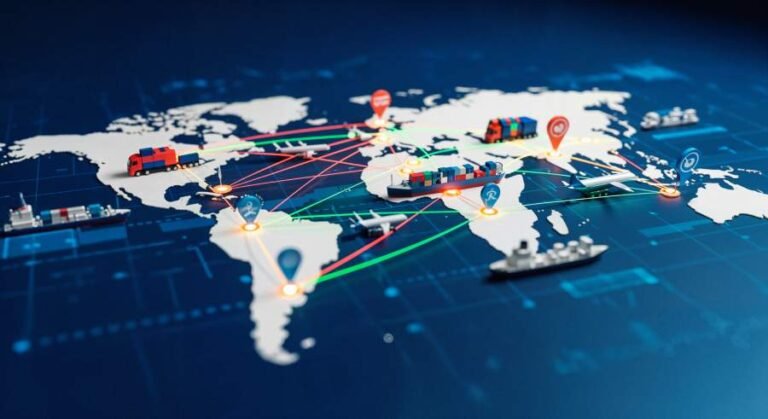
Global trade in 2026 is no longer defined solely by the movement of goods across borders—it is driven by technology, data, sustainability, and strategic partnerships. Businesses today operate in a highly interconnected ecosystem where supply chains must be agile, transparent, and resilient.
Over the past decade, disruptions such as pandemics, geopolitical tensions, and economic volatility have forced companies to rethink traditional sourcing models. As a result, organizations are increasingly turning to innovative solutions to remain competitive in a rapidly evolving marketplace.
For companies engaged in international sourcing and procurement, understanding these changes is not optional—it is essential. Businesses that embrace transformation are not only surviving but gaining a significant competitive advantage.
Digital Transformation in International Trade
Digital transformation has become the backbone of modern global trade. From automated procurement systems to cloud-based logistics platforms, technology is streamlining operations and reducing inefficiencies across the supply chain.
Today, companies can manage suppliers, track shipments, and analyze performance metrics in real time. Digital documentation and e-contracts are replacing traditional paperwork, accelerating transaction speeds and minimizing errors.
For B2B trading companies, adopting digital tools means improved accuracy, faster communication, and enhanced customer experiences. It also allows businesses to scale operations more effectively while maintaining control over complex global networks.
The Rise of AI in Procurement
Artificial intelligence is revolutionizing procurement by enabling data-driven decision-making. AI-powered systems can analyze vast amounts of data, identify patterns, and provide actionable insights that were previously impossible to obtain.
Businesses can now predict demand, evaluate supplier reliability, and optimize pricing strategies with greater precision. AI also helps automate repetitive tasks such as order processing and supplier selection, freeing up valuable time for strategic planning.
As competition intensifies, companies leveraging AI in procurement are better equipped to make faster, smarter, and more cost-effective decisions.
Blockchain for Transparency and Trust
Blockchain technology is playing a crucial role in enhancing transparency across global supply chains. By creating immutable and secure records of transactions, blockchain ensures that every step of the supply chain can be verified.
This is particularly important in industries where traceability is essential, such as food, agriculture, and raw materials. Buyers can track products from origin to destination, ensuring authenticity and compliance with regulations.
For businesses, this level of transparency builds trust with partners and customers, reducing disputes and strengthening long-term relationships.
Supply Chain Resilience in a Volatile World
Recent global disruptions have highlighted the importance of supply chain resilience. Companies can no longer rely on single-source suppliers or rigid logistics models.
Resilient supply chains are built on diversification, flexibility, and risk management. Businesses are now investing in multiple supplier networks, alternative transportation routes, and contingency planning.
The ability to quickly adapt to unexpected challenges—whether political, environmental, or economic—is becoming a defining factor for success in global trade.
The Shift Toward Nearshoring and Regional Sourcing
To reduce dependency on distant suppliers, many companies are shifting toward nearshoring and regional sourcing strategies. This approach involves sourcing products from geographically closer regions to minimize transportation costs and lead times.
Nearshoring also reduces exposure to global disruptions and enhances supply chain stability. For businesses, this means faster delivery, improved communication, and greater control over operations.
While globalization remains important, regionalization is emerging as a key trend shaping the future of sourcing.
Sustainability in Global Sourcing
Sustainability is no longer a choice—it is a requirement. Consumers, governments, and stakeholders are demanding environmentally responsible practices across supply chains.
Businesses are now focusing on reducing carbon footprints, minimizing waste, and sourcing from sustainable producers. Green logistics, eco-friendly packaging, and energy-efficient operations are becoming standard practices.
Companies that prioritize sustainability not only meet regulatory requirements but also enhance their brand reputation and customer loyalty.
Ethical Supply Chains and Compliance
Ethical sourcing has become a critical component of global trade. Businesses are expected to ensure fair labor practices, safe working conditions, and compliance with international standards.
Failure to meet these expectations can result in reputational damage and legal consequences. As a result, companies are implementing strict supplier audits and compliance measures.
Transparency and accountability are key to building ethical supply chains that align with global expectations.
The Role of Data Analytics in Decision-Making
Data analytics is transforming how businesses approach sourcing and logistics. By leveraging real-time data, companies can make informed decisions that improve efficiency and reduce costs.
Analytics tools provide insights into supplier performance, market trends, and operational risks. This allows businesses to identify opportunities and address challenges proactively.
In a data-driven world, companies that harness analytics gain a significant advantage over competitors.
Logistics Innovation and Smart Shipping
Logistics is undergoing a major transformation with the introduction of automation, smart warehousing, and advanced tracking systems.
Technologies such as IoT (Internet of Things) enable real-time monitoring of shipments, ensuring transparency and efficiency. Automated warehouses improve inventory management and reduce operational costs.
Smart shipping solutions optimize routes, reduce delivery times, and enhance overall supply chain performance.
Impact of Geopolitical Changes on Trade
Geopolitical factors such as trade policies, tariffs, and international relations continue to shape global trade dynamics.
Businesses must stay informed about regulatory changes and adapt their strategies accordingly. Diversifying markets and suppliers helps mitigate risks associated with political uncertainties.
Understanding geopolitical trends is essential for maintaining stability and growth in international trade.
Inflation and Cost Management Strategies
Rising inflation and fluctuating costs are major challenges for businesses involved in global trade.
To remain competitive, companies must adopt flexible pricing strategies and optimize their sourcing processes. Bulk purchasing, long-term contracts, and supplier negotiations are key tactics for managing costs.
Efficient cost management ensures profitability even in uncertain economic conditions.
E-Commerce and B2B Marketplaces Growth
The growth of e-commerce and B2B marketplaces is transforming how businesses connect and transact globally.
Online platforms provide access to a wide range of suppliers and buyers, simplifying the sourcing process. Digital marketplaces also enhance transparency and competition, driving better pricing and quality.
For businesses, leveraging these platforms opens new opportunities for expansion and growth.
Risk Management in International Trade
Risk management is a critical aspect of global trade. Businesses face risks related to supply disruptions, currency fluctuations, regulatory changes, and quality issues.
Implementing risk assessment frameworks and contingency plans helps mitigate these challenges. Insurance, diversification, and strategic partnerships play a key role in managing risks effectively.
Proactive risk management ensures continuity and stability in operations.
The Importance of Strategic Partnerships
Strong partnerships are essential for success in global trade. Collaborating with reliable suppliers, logistics providers, and trading companies enhances efficiency and trust.
Strategic partners bring expertise, resources, and market insights that help businesses navigate complex trade environments.
Building long-term relationships fosters growth, stability, and mutual success.
How E-MaxTrade Solutions GmbH Supports Modern Trade
E-MaxTrade Solutions GmbH is at the forefront of modern global trade, providing comprehensive sourcing, procurement, and logistics solutions.
With a strong global network and a commitment to quality, the company helps businesses navigate complex supply chains with confidence. By leveraging technology, market expertise, and strategic partnerships, E-MaxTrade Solutions GmbH delivers reliable and efficient trade solutions tailored to client needs.
Conclusion: Preparing for the Future
The future of global trade is defined by innovation, adaptability, and strategic thinking. Businesses that embrace digital transformation, sustainability, and resilient supply chains are well-positioned for success.
As the industry continues to evolve, partnering with experienced and forward-thinking companies like E-MaxTrade Solutions GmbH can make all the difference. By staying ahead of trends and leveraging the right strategies, businesses can unlock new opportunities and achieve long-term growth in the global marketplace.
0 Comments for “The Future of Global Trade: Trends Transforming Sourcing and Supply Chains in 2026”